THE BARRIER CONSORTIUM
MEET THE TEAM
BARRIER brings together researchers from four UK institutions, combining expertise in microbiology, bioinformatics, metabolomics and mathematical modelling.
Project Leadership
The BARRIER programme is led by investigators across our four collaborating institutions.
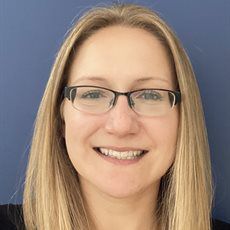
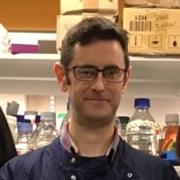
Professor Andrew Edwards
Imperial College London
<School/Department>
Molecular Microbiology
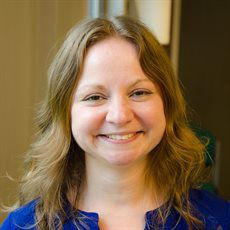
Professor Sara Jabbari
University of Birmingham
School of Mathematics
Mathematical Biology
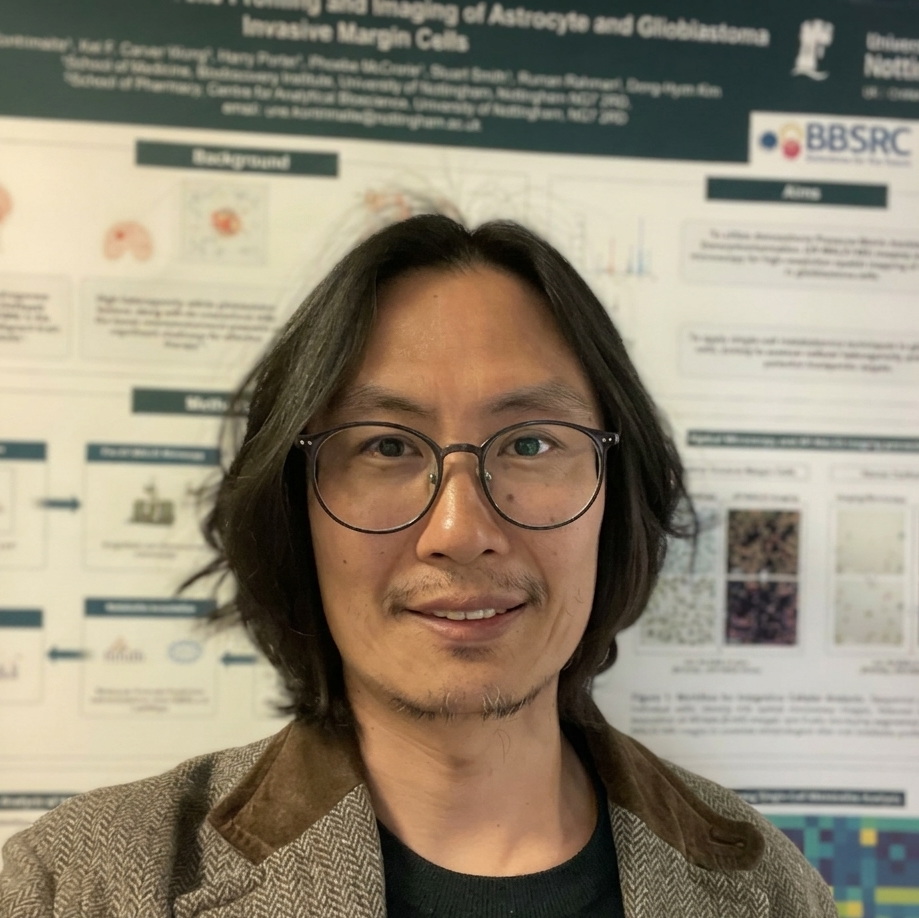
Dr Dong-Hyun Kim
University of Nottingham
<School/Department>
Analytical Bioscience
Professor Tim Overton
University of Birmingham
<School/Department>
Microbial Physiology

Professor Mark Webber
Quadram Institute
<School/Department>
Antimicrobial Resistance Evolution
Postdoctoral Researchers
Our postdoctoral researchers work across the BARRIER programme’s experimental, computational and mathematical research.
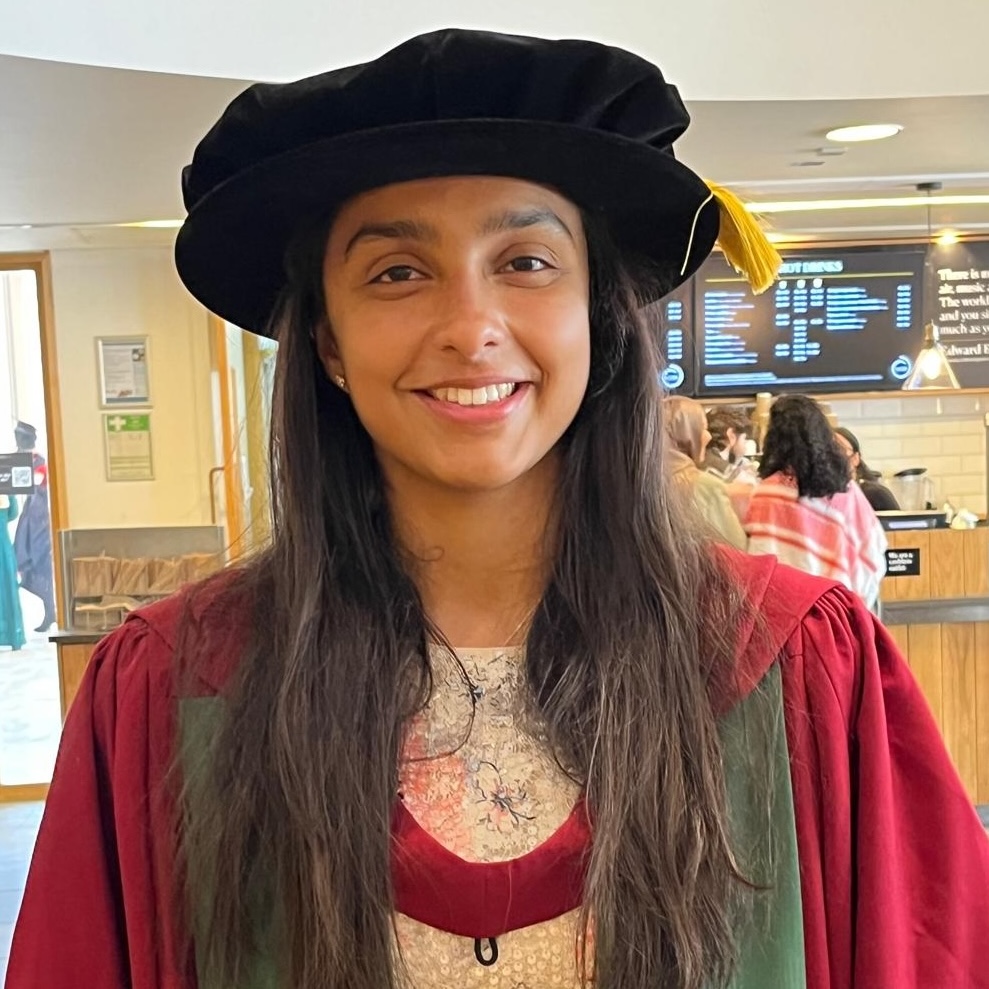
Dr Sandeep Shirgill
University of Birmingham
School of Mathematics
Mathematical Biology
Dr Pauline Ann Siasat
University of Birmingham
<School/Department>
Antimicrobial Resistance
Dr Leanne Sims
Quadram Institute
<School/Department>
Antimicrobial Resistance Evolution
Dr Carver Wong
University of Nottingham
<School/Department>
Analytical Bioscience
PhD Researchers
Our PhD researchers contribute to interdisciplinary projects across the BARRIER programme.
<name>
<university>
<School/Department>
<name>
<university>
<School/Department>
Explore Our Research
Discover how BARRIER is investigating bacterial membrane permeability and efflux through interdisciplinary research.